Why Laundry Downtime Costs More Than Most Businesses Realise
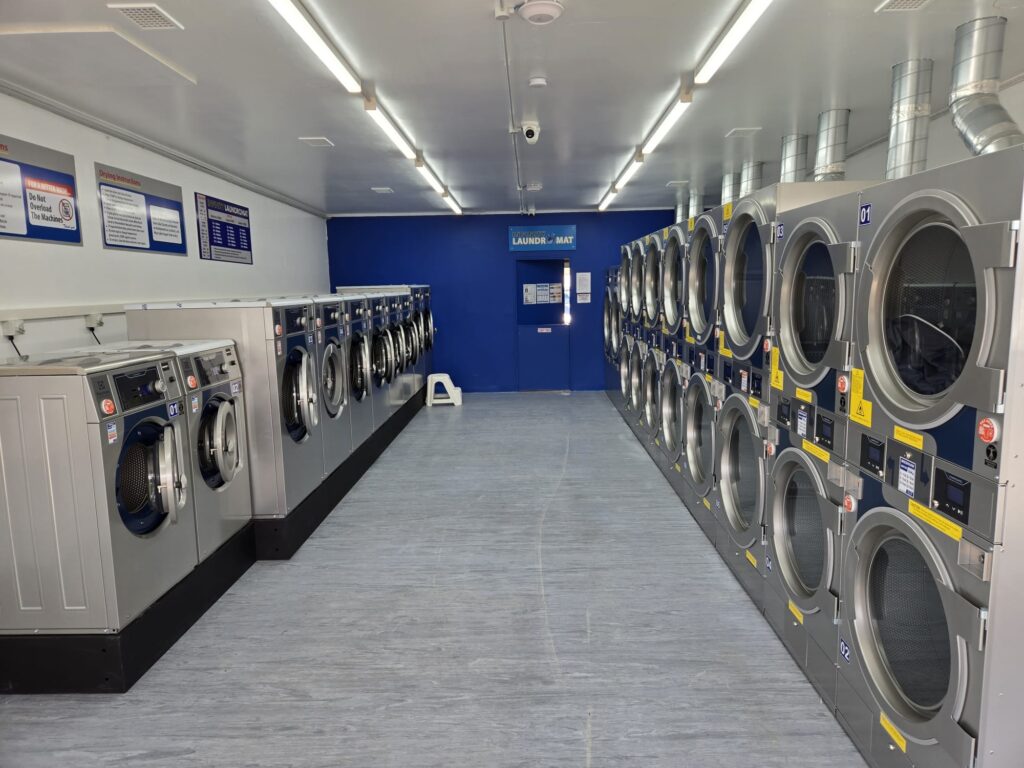
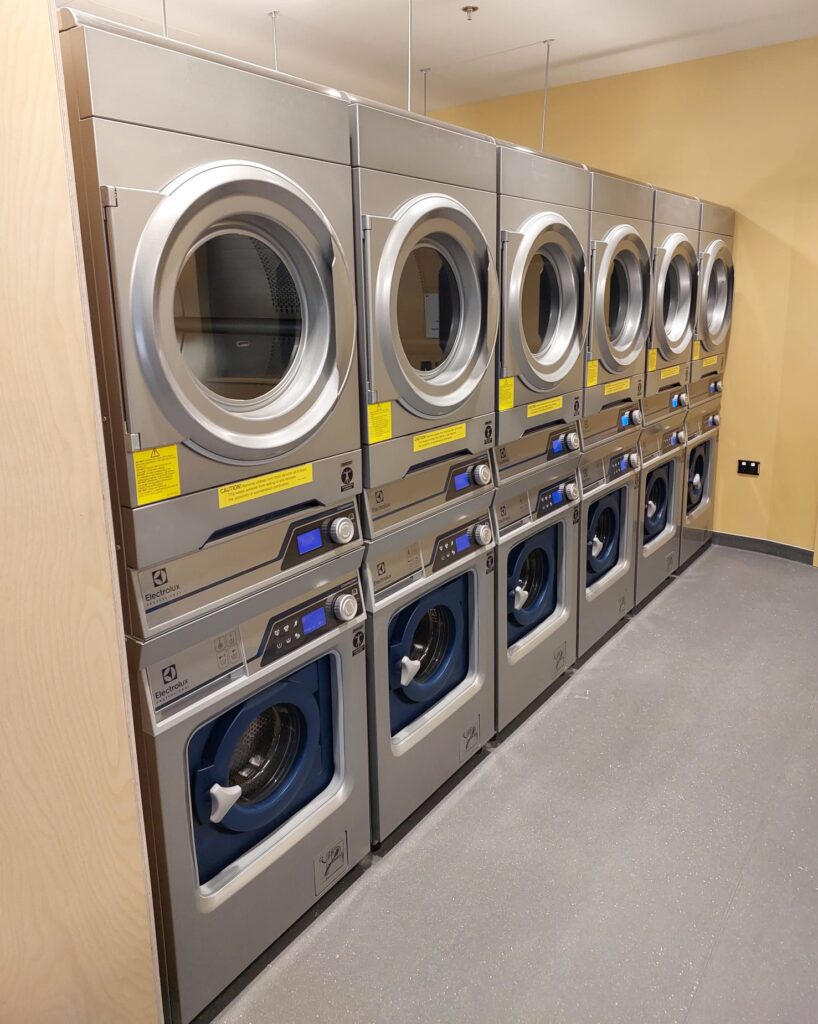
Clean linen is still required when a washer or dryer is out of service. If your New Zealand facility operates commercial laundry equipment, the cost of downtime can continue accumulating while laundry volumes keep arriving. A repair bill is often only one part of the cost because laundry keeps arriving while housekeeping teams and care staff are still waiting for clean linen. If reducing disruption matters to your operation, discussions with Econic Laundry Solutions will include a focus on service response, spare-parts availability and on-premise laundry systems designed for long-term use.
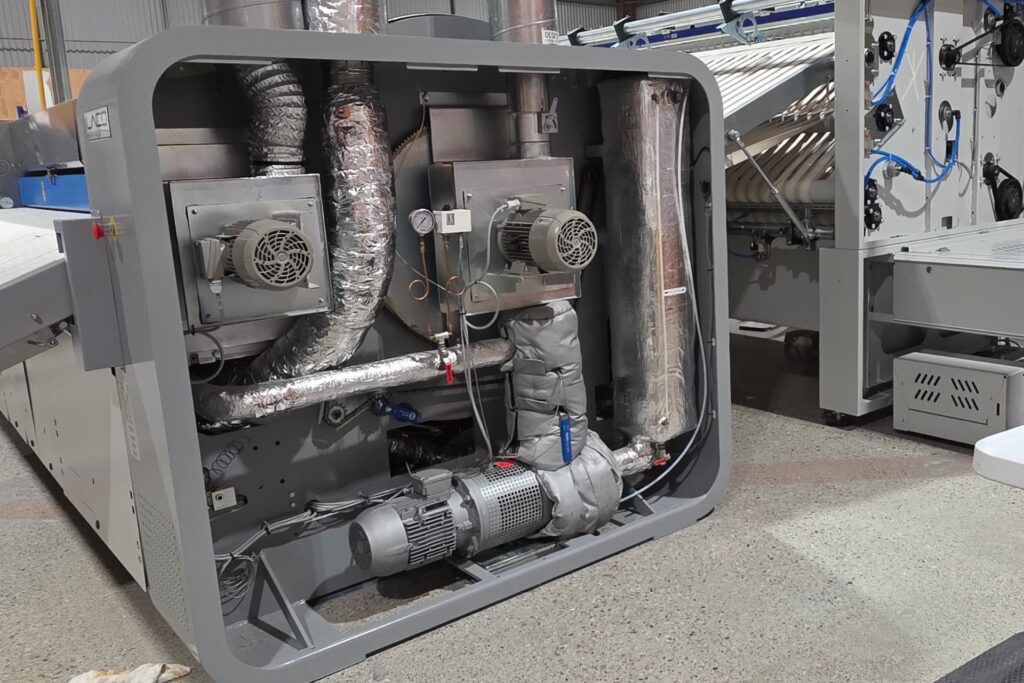
Clean linen is still required when a washer, dryer or ironer is out of service.
If your laundry processes stock for rooms, residents or patients, reduced capacity can quickly create a backlog that affects work outside the laundry itself. Repair costs may remain fixed, but labour delays, linen shortages and production backlogs continue accumulating while equipment is unavailable.
Knock-On Effects of Laundry Downtime
Incoming laundry volumes do not stop because a washer, dryer or ironer is out of service. While equipment is unavailable, linen, towels and garments continue entering the laundry process even though production capacity has been reduced.
Clean-stock shortages can affect work taking place elsewhere in the operation. In hospitality environments, room preparation relies on clean linen being available when needed. In aged care and healthcare settings, beds, resident rooms and daily care activities rely on a consistent supply of clean stock. Once a backlog forms, those requirements still need to be met while accumulated laundry works its way through the system.
Costs Beyond the Repair Invoice
Replacement parts form only one portion of the total cost. Additional labour may be required to clear backlogs, extend operating hours or reorganise production schedules around unavailable equipment.
Common hidden costs include:
- Overtime required to process accumulated laundry.
- Temporary outsourcing of laundry volumes.
- Delays supplying clean linen to dependent operations.
- Reduced revenue where equipment remains unavailable for customer use.
Customer and Contract Risks
For commercial laundries and linen-service providers, delayed production can affect delivery commitments. Missed service expectations may generate customer complaints and place long-standing relationships under pressure.
Hospitality operations face a different challenge. Delays in linen availability can restrict room readiness during busy periods, particularly when occupancy levels are high and replacement stock is limited.
Recovery Time Can Exceed Repair Time
Returning a machine to service does not immediately restore normal production. Laundry that accumulated during the outage still needs to pass through the same washers, dryers and finishing equipment before stock levels recover.
A repair completed in a few hours can leave production catching up for several days, particularly during busy periods or where spare linen inventories are limited. This recovery period is often overlooked when downtime costs are calculated. The fault may have been fixed, but labour, scheduling pressure and delayed linen availability can continue until the backlog has been cleared and normal stock levels have been restored.
The speed of recovery often depends on factors that were decided before the fault occurred. Spare parts availability, preventative maintenance programmes and access to trained service technicians all influence how quickly production returns to normal. According to industry maintenance guidance, proactive servicing and planned maintenance play a major role in reducing unexpected downtime and maintaining operational continuity.
Reducing Future Downtime
Preventative maintenance programs reduce breakdowns by over 70%, responsive technical support and ready access to spare parts can significantly reduce the impact of unexpected equipment failures. Planning for downtime before it occurs helps facilities maintain production and recover more quickly when issues arise.
Econic Laundry Solutions maintains one of New Zealand’s largest laundry spare-parts inventories, stocked service vehicles and a nationwide service network because reducing downtime involves more than repairing equipment after a failure occurs. We achieve a 95% first time fix rate when sending our in-house technicians to site.
Reliable commercial laundry equipment in New Zealand is only part of the equation. Speak with Econic Laundry Solutions about reducing downtime through equipment selection, preventative maintenance and responsive service support.
Laundry downtime is easier to manage when reliability, servicing and equipment capacity are considered as part of the overall laundry strategy. Explore ELS NZ’s on-premise laundry solutions for facilities such as hospitality, healthcare and aged care operations, or review solutions for higher-volume centralised laundries. You can also explore the full range of commercial laundry equipment, including commercial washers, dryers and flatwork ironers designed for professional laundry environments.
If reducing unexpected laundry downtime is a priority, reliable equipment should be supported by planned maintenance and responsive technical assistance. Learn more about ELS NZ’s laundry equipment service, repairs and spare-parts support, or contact Econic Laundry Solutions to discuss your facility, equipment requirements and maintenance needs. You can also browse the ELS NZ Knowledge Hub for further guidance on commercial laundry equipment, efficiency and long-term operational performance.
Frequently Asked Questions
1. What is the biggest hidden cost of laundry downtime?
The biggest hidden cost of laundry downtime is often the additional labour and recovery work required after equipment returns to service. Overtime, temporary outsourcing and the time needed to clear accumulated laundry can make the total cost considerably higher than the initial repair expense.
2. Can laundry downtime affect customer relationships?
Yes. Laundry downtime can affect customer relationships when reduced production leads to missed delivery schedules, linen shortages or ongoing service interruptions. Commercial laundries and linen-service providers may face particular pressure when they cannot meet agreed service expectations.
3. How can downtime be reduced in an on-premise laundry?
Reducing downtime in an on-premise laundry starts with reliable commercial equipment, preventative maintenance, access to spare parts and responsive technical support. Regular servicing can also identify developing problems before they result in more disruptive equipment failures.
4. What causes downtime in commercial laundry equipment?
Commercial laundry downtime can result from mechanical faults, worn components, inadequate maintenance, electrical issues or parts failures. Heavy equipment utilisation and demanding operating environments can also increase the importance of regular inspection and preventative servicing.
5. How does laundry equipment downtime affect operating costs?
Laundry equipment downtime can increase operating costs through overtime, additional labour, temporary outsourcing, delayed production and reduced equipment capacity. The financial impact can continue after a machine has been repaired while the laundry team clears the accumulated backlog.
6. Why is preventative maintenance important for commercial laundry equipment?
Preventative maintenance helps identify wear, component issues and potential faults before they develop into unexpected breakdowns. A planned maintenance programme can support equipment reliability, improve operational continuity and make servicing easier to schedule around normal laundry production.
7. How long does it take a commercial laundry to recover after equipment downtime?
Recovery time depends on the duration of the equipment failure, available processing capacity, laundry volumes and spare linen levels. Even when a machine is repaired within several hours, accumulated laundry may take considerably longer to process before normal stock and production levels are restored.
8. Why is spare-parts availability important for commercial laundry equipment?
Ready access to spare parts can reduce the time technicians spend waiting for components required to complete repairs. For commercial laundries where equipment availability is critical, local parts inventory and appropriately stocked service vehicles can help reduce disruption and support faster repairs.