The Real Difference Between Residential and Commercial Laundry Equipment
Cycle life, serviceability and production capacity are established long before a washer is installed. Industrial laundry equipment in NZ is designed for commercial environments where consistent volumes of linen, garments and textiles move through the laundry every day as part of normal operations. Residential machines are engineered for household use and different workload expectations. When evaluating commercial laundry systems, production requirements, lifecycle costs and future capacity requirements all form part of the assessment completed with Econic Laundry Solutions.
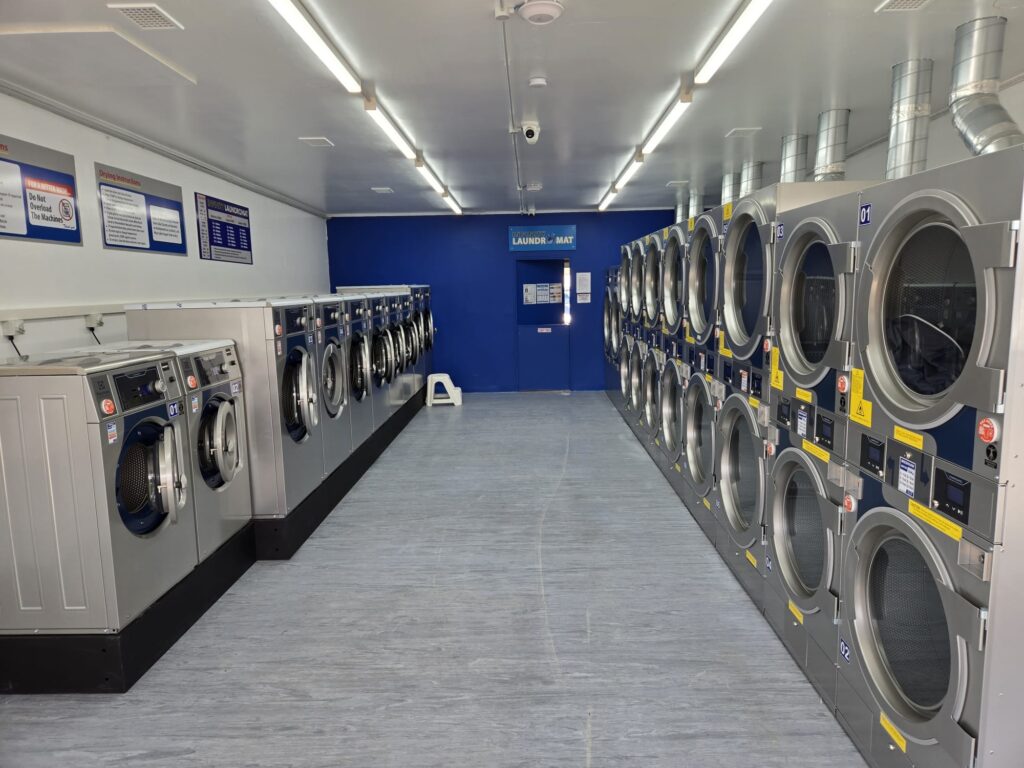
Commercial laundry environments place different demands on equipment than a household laundry. Hotels, aged-care facilities, healthcare providers, shared-living sites and laundromats depend on reliable processing capacity, predictable service support and equipment designed for repeated daily use.
When comparing industrial laundry equipment in NZ, the question is not whether a residential machine is cheaper. The question is whether the equipment was designed for the workload it will be expected to perform.
Designed for Different Workloads
Residential equipment is designed around household washing patterns, where machines may complete a few cycles each week. Commercial laundry equipment is engineered for repeated daily operation, easier servicing, faster recovery from faults and a longer service life.
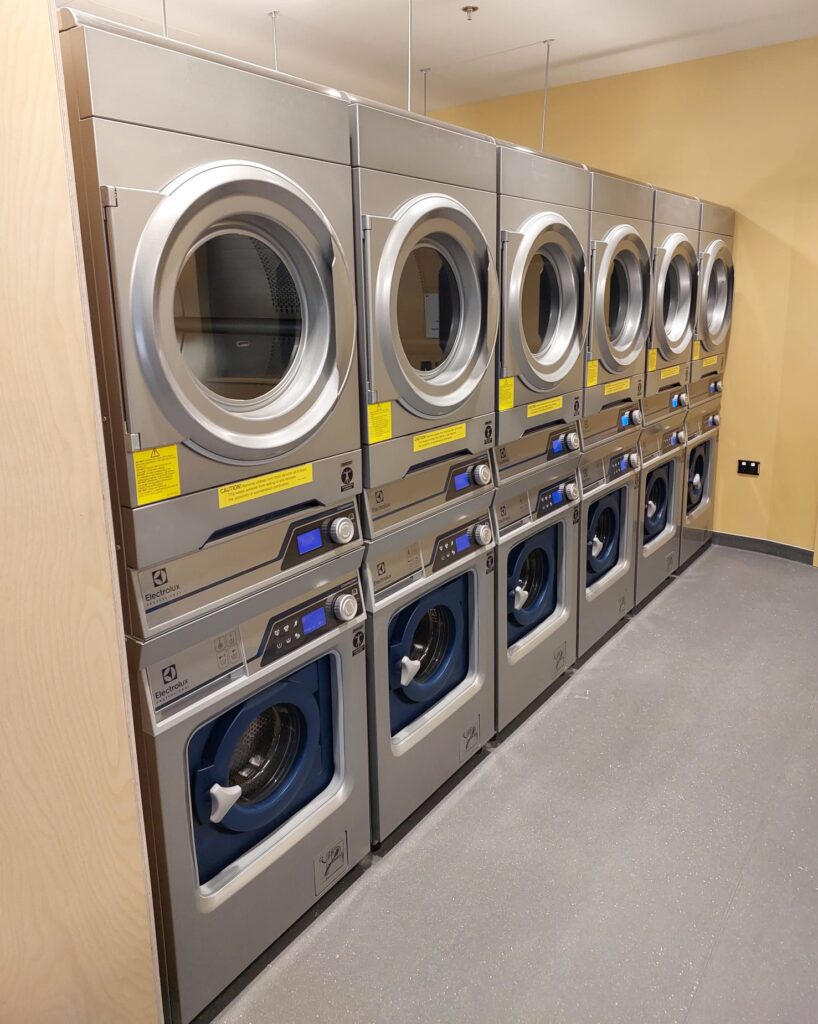
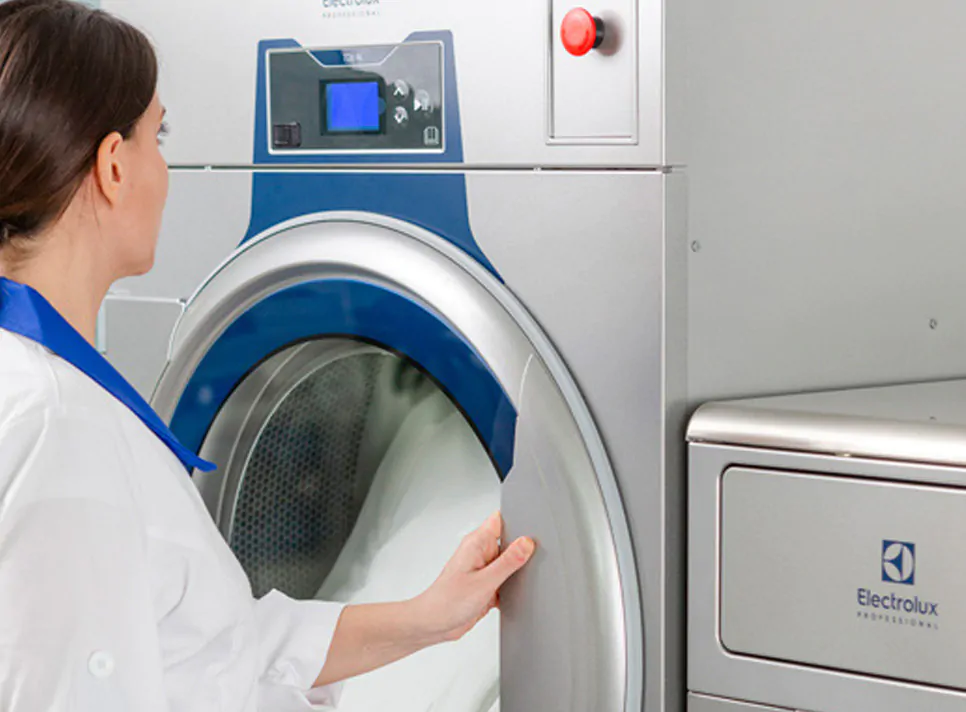
The difference is visible in cycle-life expectations. Residential equipment is generally designed for 2500 to 3000 cycles, compared LG Commercial Laundry equipment is designed for approximately 10,000 cycles, while Electrolux Industrial equipment is designed for 30,000 cycles, equivalent to eight cycles per day for ten years. Bearings, suspension systems, extraction performance, filtration systems and service access are specified around those operating requirements not household expectations.
Process Efficiency and Production Output
Laundry efficiency extends beyond water and electricity consumption. Processing time, labour input and chemical usage influence operating costs every day.
Econic’s equipment range includes features such as:
- Accelerometers that manage extraction forces and reduce machine stress.
- Efficient dosing systems that adjust chemistry according to load weight.
- Moisture Balance technology that stops drying at programmed moisture levels.
- Reversing drums that redistribute textiles and reduce drying times.
These features affect labour requirements, drying capacity, chemical consumption and production throughput across thousands of cycles.
The Business Impact of Laundry Downtime
A household washer failure causes an inconvenience for a family and possibly a few emergency handwash sessions. A commercial equipment failure can affect revenue, staffing and service delivery while laundry volumes continue arriving.
Accommodation providers may face linen shortages that affect room readiness, commercial laundries can miss delivery commitments and laundromats lose revenue-generating machine time while equipment remains out of service. Additional labour may also be required to manage backlogs and restore normal production once repairs are completed.
Econic Laundry Solutions maintains one of New Zealand’s largest spare-parts inventories, stocked service vehicles and a nationwide service network because recovery time directly affects production capacity.
Growth Constraints and Laundry Capacity
Laundry equipment becomes part of business capacity planning when linen processing supports accommodation, healthcare, resident services or commercial laundry contracts.
A commercial laundry facility processing 200 rooms today may need to service 300 rooms in the future. If laundry capacity remains unchanged, linen processing can limit growth even when customer demand expands . Capacity planning guidance from IBM identifies matching operational resources to current and future demand as a core business requirement.
Lifecycle Cost Versus Purchase Price
Purchase price represents only one part of equipment cost. Service requirements, downtime exposure, labour inputs, utilities, replacement frequency and production capacity all contribute to total lifecycle cost.
Equipment selected solely on upfront price may create higher long-term costs if repairs, replacement cycles or production constraints occur earlier than expected. Matching equipment to workload requirements from the outset produces a more accurate view of long-term ownership costs.
Discuss your industrial laundry equipment NZ requirements with Econic Laundry Solutions build a laundry system designed for long-term performance, operational efficiency and future growth.
Choosing the right industrial laundry equipment NZ solution starts with understanding the volume, workflow and operational demands of your facility. Explore Econic Laundry Solutions’ commercial washers and commercial dryers, or discover tailored solutions for on-premise laundries and central laundries. Selecting equipment around real production requirements can help improve efficiency, support future capacity and reduce the operational risks associated with undersized laundry systems.
Reliable equipment also depends on the right technical support throughout its working life. Econic Laundry Solutions provides parts and service support to help commercial laundry operations maintain dependable performance and minimise unnecessary downtime. If you are planning a new laundry, replacing residential machines or increasing an existing facility’s capacity, contact Econic Laundry Solutions to discuss an industrial laundry equipment solution suited to your operation.
Frequently Asked Questions
1. How long does industrial laundry equipment typically last?
Industrial laundry equipment is designed for significantly higher cycle volumes than residential machines. Depending on the manufacturer, model, operating conditions and maintenance programme, some commercial systems are engineered for up to 30,000 cycles. Regular servicing and correct operation can help businesses maximise equipment life and maintain reliable performance.
2. Why is commercial laundry equipment more expensive than residential machines?
Commercial laundry equipment is built with heavier-duty components, greater production capacity and improved serviceability to support repeated daily operation. The initial purchase price can therefore be higher, but businesses should also consider equipment lifespan, productivity, maintenance, utilities, downtime and replacement frequency when assessing total lifecycle costs.
3. What should businesses consider when choosing laundry equipment?
Businesses should consider daily laundry volumes, peak processing requirements, available utilities, labour requirements, floor space, service support and future growth. Total lifecycle costs should also be assessed rather than selecting equipment based only on the initial purchase price.
4. What is the difference between residential and commercial laundry equipment?
Residential machines are primarily designed for household washing patterns, while commercial equipment is engineered for repeated daily use and higher production requirements. Commercial machines generally provide greater durability, serviceability, processing capacity and operational features suited to businesses that depend on reliable laundry production.
5. Can you use a residential washing machine in a commercial laundry?
A residential washing machine may not be suitable for a commercial operation where multiple loads must be processed every day. Residential equipment is designed around household workloads and may not provide the cycle life, capacity, service access or recovery time required in hotels, healthcare facilities, aged-care operations, shared-living facilities or laundromats.
6. What are the benefits of industrial laundry equipment?
Industrial laundry equipment can provide higher processing capacity, greater durability, improved extraction, more efficient chemical dosing and better control over drying and finishing processes. These capabilities can help businesses manage labour, utility consumption, turnaround times and consistent laundry production.
7. How do I choose the right size commercial washing machine?
The correct machine size depends on the volume and type of textiles being processed, the number of operating hours available, required turnaround times and expected future demand. A laundry capacity assessment can help determine the appropriate combination of washers and dryers rather than relying solely on individual machine capacity.
8. How often should commercial laundry equipment be serviced?
Service intervals depend on equipment type, usage levels and manufacturer recommendations. High-volume commercial laundry equipment generally requires planned preventative maintenance because early identification of wear or operating issues can reduce unexpected downtime and help maintain equipment performance.