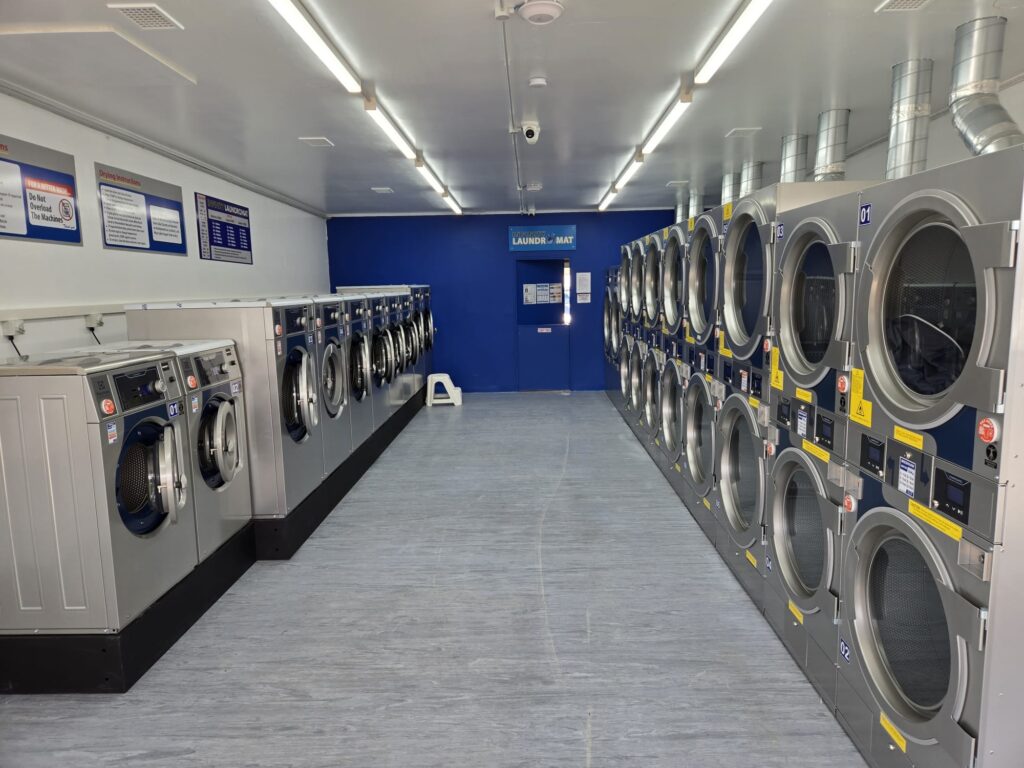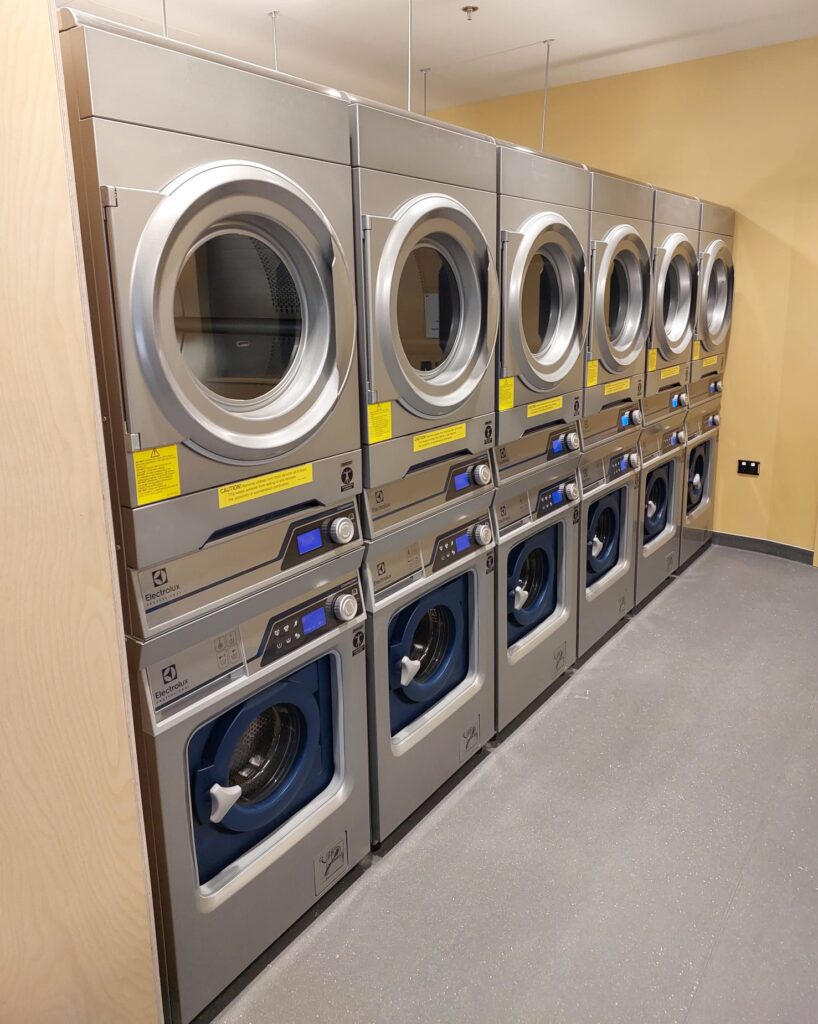
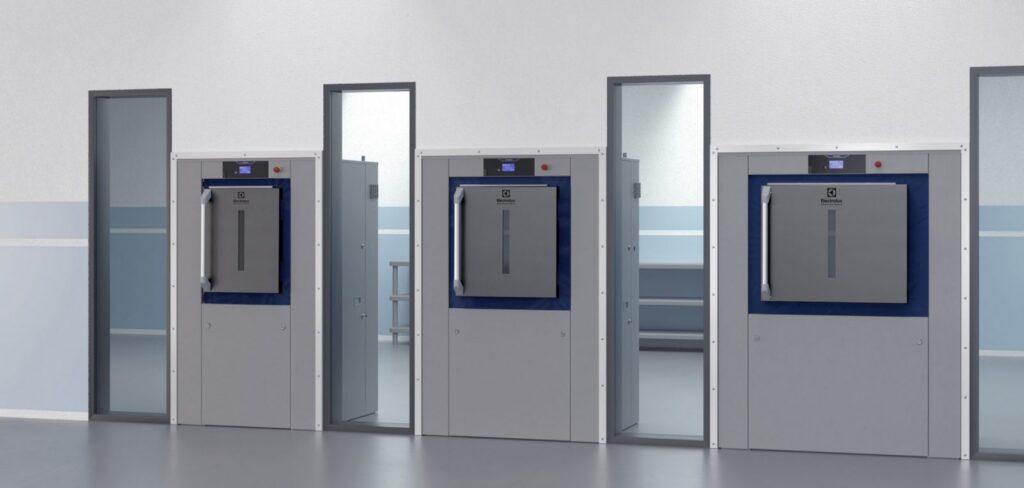
Summer bookings place sustained pressure on every commercial laundry serving New Zealand’s holiday parks and resorts. Econic Laundry Solutions assesses equipment condition, maintenance history and production risk before peak demand arrives. Commercial laundry maintenance in NZ helps identify developing component failures, service vulnerabilities and workflow constraints before they interrupt linen availability during the busiest trading period.
Holiday parks and resorts depend on uninterrupted linen production throughout summer. Every occupied cabin, campsite and guest room increases the volume of towels, sheets and housekeeping linen moving through the laundry each day. Once peak occupancy begins, maintenance windows become limited and equipment failures immediately affect accommodation operations, guest satisfaction and daily revenue.
Maintaining adequate production capacity requires every stage of the laundry process to perform reliably under peak seasonal demand. Regular maintenance helps identify constraints before they affect daily operations.
Econic Laundry Solutions evaluates these factors before recommending maintenance priorities that protect production capacity throughout the busiest periods of the year.
Critical Wear Components
Most commercial laundry failures develop gradually before becoming operational emergencies. Drive belts stretch, bearings wear, chemical dosing pumps lose accuracy, drainage valves accumulate debris and electrical connections deteriorate through normal operation. These components often continue functioning while performance slowly declines, making developing faults difficult to identify during routine production.
Replacing a worn belt or servicing a dosing pump during scheduled maintenance requires considerably less disruption than responding to an unexpected breakdown when every machine is needed to process guest linen. Maintenance planning therefore focuses on identifying predictable wear before component failure interrupts daily production.
Production Throughput
Commercial laundries operate as connected production systems. A washer awaiting repair delays the dryers that depend on its output, while delayed finishing equipment prevents clean linen from returning to accommodation services. Production capacity therefore depends on every stage of the workflow remaining available throughout the operating day.
Peak tourism periods increase these pressures because replacement capacity is often unavailable. Delayed linen processing creates housekeeping bottlenecks, extends turnaround times and reduces operational flexibility precisely when occupancy leaves the smallest margin for disruption. Proactive maintenance helps keep every stage of the laundry process operating reliably when demand is at its highest.
Infrastructure Checklist Before Summer
Every preventative maintenance program should answer five practical questions before seasonal occupancy increases:
- Are all components operating within service tolerances? Our team goes through a detailed check list during maintenance.
- Have chemical dosing pumps been calibrated to deliver consistent wash performance?
- Do drainage valves open and close correctly without restriction or leakage?
- Have electrical connections, sensors and control systems been inspected for signs of wear?
- Can the existing laundry infrastructure support projected summer production without creating workflow bottlenecks?
Answering these questions before peak occupancy allows maintenance to be scheduled while equipment remains available. The Energy Efficiency and Conservation Authority (EECA) recommends proactive maintenance and efficient equipment management to support long-term operational performance and energy efficiency.
Book your commercial laundry maintenance in NZ with Econic Laundry Solutions before summer demand arrives. We’ll help identify potential issues before they affect your guests, staff and daily operations.
Frequently Asked Questions
1. How often should commercial laundry equipment be serviced?
Service intervals are every 1500 cycles or 6 months. Facilities with high seasonal demand should complete preventative maintenance before peak occupancy periods.
2. What are the most common causes of commercial laundry breakdowns?
Worn drive belts, bearings, chemical dosing pumps, drainage valves, electrical components and inadequate preventative maintenance are among the most common causes of equipment failure.
3. Why is preventative maintenance important before summer?
Completing maintenance before peak occupancy reduces the risk of unexpected breakdowns, protects linen availability and helps maintain efficient laundry operations during the busiest months.
4. What should a commercial laundry maintenance inspection include?
A comprehensive inspection should assess mechanical components, chemical dosing systems, drainage, electrical controls, production capacity and overall workflow to identify issues before they disrupt operations.