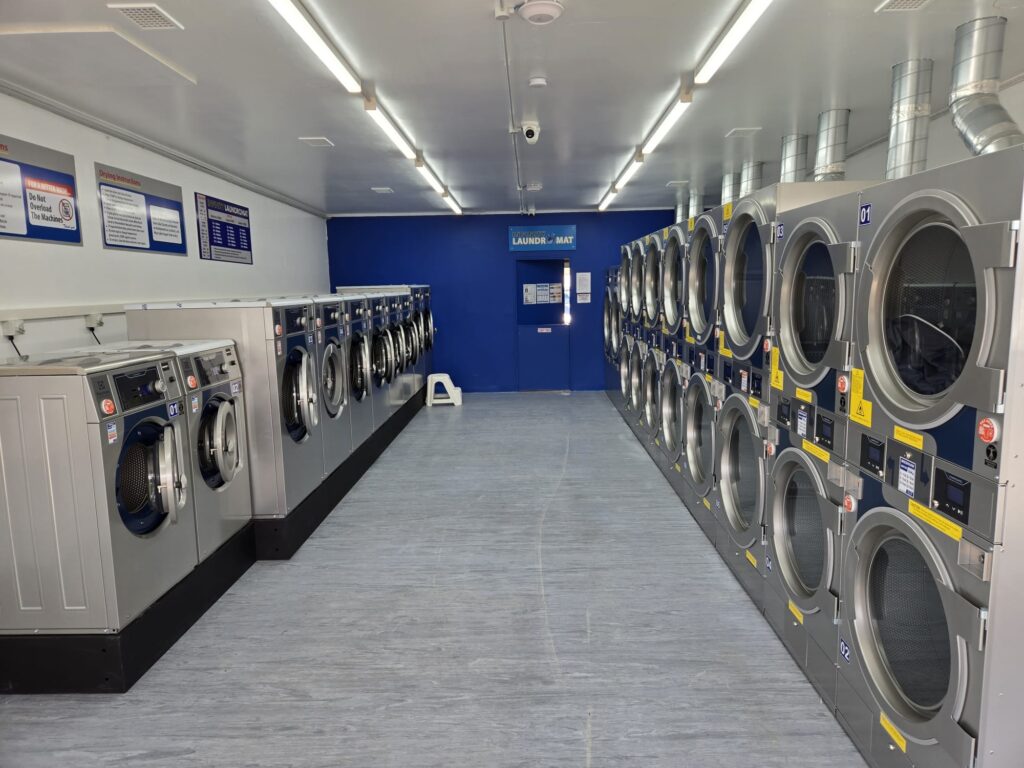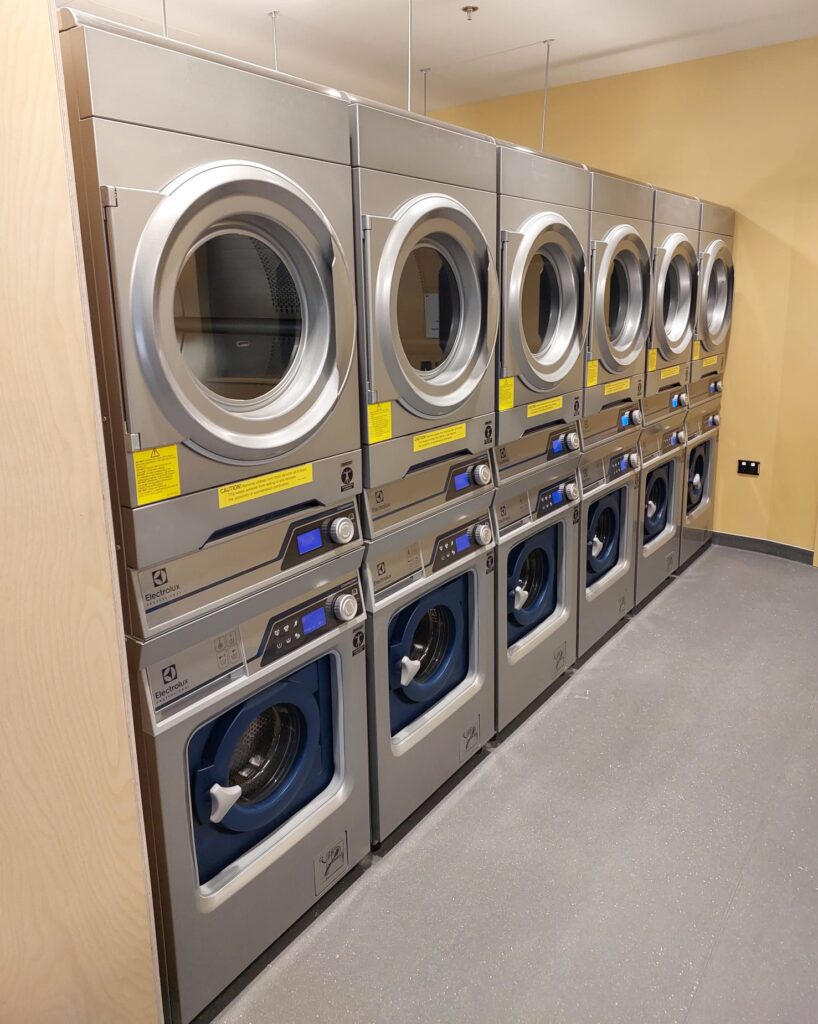
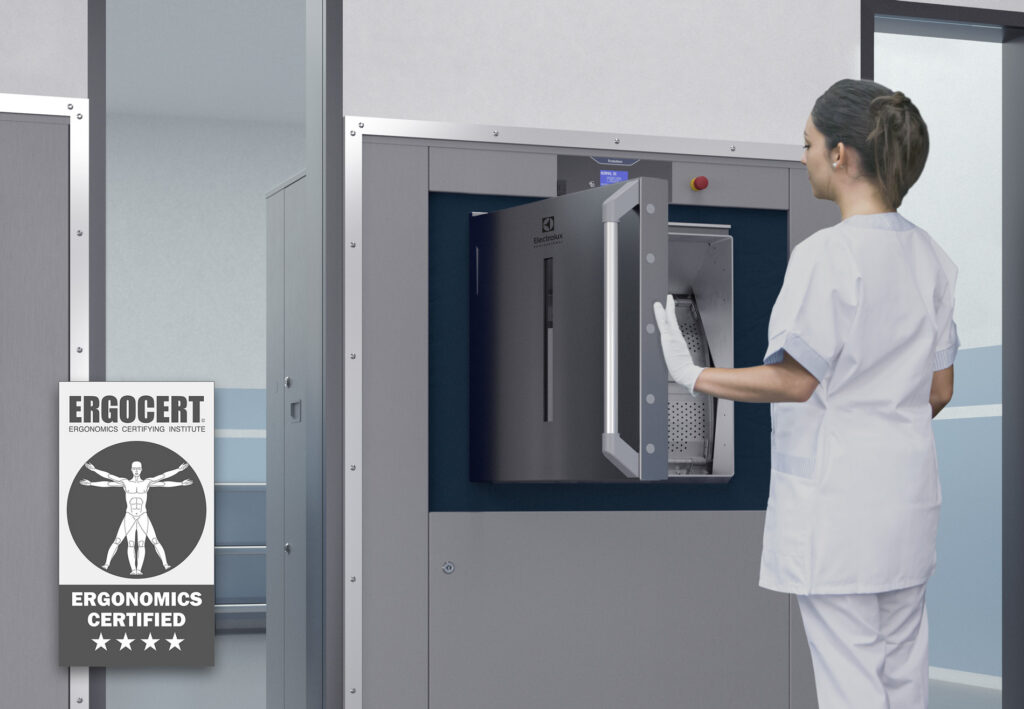
Energy pricing, utility infrastructure and sustainability targets are changing the way New Zealand businesses invest in laundry equipment. Econic Laundry Solutions assesses production requirements, available utilities and lifecycle operating costs before recommending drying technology. Businesses considering a commercial heat pump dryer in NZ should evaluate infrastructure suitability, production capacity and long-term ownership costs before investing.
A commercial dryer is expected to process tens of thousands of cycles over its 10 to 20 year life. The equipment selected determines ongoing energy costs, electrical or gas infrastructure requirements, ventilation needs and available production capacity throughout that operating life.
Dryer selection should begin with a feasibility assessment of the entire laundry operation. Available services, expected throughput, installation costs and future capacity requirements determine which technology produces the strongest lifecycle outcome.
Lifecycle Energy Costs
Purchase price represents only one component of the investment. Energy consumption, servicing requirements, ventilation systems, replacement parts, maintenance intervals and expected machine life all contribute to the total cost of ownership throughout the equipment lifecycle.
That assessment becomes increasingly valuable when dryers are expected to operate continuously in healthcare facilities, accommodation providers, aged-care residences and other commercial laundries where production demands remain high throughout the year. A lower purchase price can quickly be offset if operating costs remain unnecessarily high.
The Energy Efficiency Conservation Authority recommends evaluating energy efficiency investments over the full lifecycle of commercial equipment rather than focusing on upfront purchase price alone.
Utility Infrastructure
Every commercial laundry operates within the constraints of its building infrastructure. Existing gas services, LPG availability, electrical capacity, switchboard limitations, ventilation design, ducting requirements and available floor space all influence which drying technology can be installed efficiently.
Infrastructure upgrades may significantly affect project costs if electrical capacity requires expansion or gas services need modification. These considerations form part of the feasibility assessment before equipment specifications are finalised because infrastructure determines both installation complexity and future operating flexibility.
Production Requirements
Production objectives differ substantially between commercial laundries. A hotel preparing rooms for arriving guests focuses on rapid linen turnaround. Healthcare facilities prioritise consistent processing capacity and dependable workflow. Sports facilities and wellness centres often experience concentrated demand peaks that require predictable drying performance.
Feasibility assessments evaluate throughput, operating hours, labour requirements and future production growth before equipment is selected, helping ensure the chosen dryer supports both current demand and future expansion.
Heat Pump Drying Technology
A commercial heat pump dryer in NZ is becoming an increasingly practical option for businesses seeking lower energy consumption and reduced emissions. Improved drying performance and lower energy consumption have expanded their suitability across many on-premise laundries.
The commercial benefits, however, depend on site conditions rather than the technology itself. Available electrical infrastructure, production throughput, workflow, utility services and future operating requirements all influence whether a heat pump dryer represents the strongest long-term investment. Assessing those factors before equipment selection helps ensure the drying system aligns with both current production demands and future operational objectives.
Long-Term Facility Planning
Commercial laundry equipment often remains in service for well over a decade. During that time, production volumes, energy pricing and reporting requirements may change as facilities expand.
Equipment selection should therefore consider future capacity, available utilities and planned expansion.
Commercial dryer selection should follow an assessment of production requirements, utility availability, lifecycle economics and long-term operational objectives. Econic Laundry Solutions applies that approach when recommending drying technology.
Speak to Econic Laundry Solutions about choosing the right commercial heat pump dryer in NZ. We’ll assess your infrastructure, production needs and long-term operating costs to help you make a confident investment.
GAS vs Electric Vs Heat Pump
Gas in the north island is often far more affordable per kW compared to electric, however in the South Island they are very similar in cost, so the move to heat pump makes sense and will reduce energy costs by around 60%.
Electrolux Professional Laundry offer the fastest heat pump dryer on the market and this runs at around 40 minutes for a full cycle, very similar to it’s ducted electric heat alternatives.
Frequently Asked Questions
1. Are commercial heat pump dryers suitable for every laundry?
Not always. The right solution depends on your production volumes, available electrical infrastructure, utility costs and operational requirements. A site assessment helps determine the most suitable drying technology.
2. Do commercial heat pump dryers use less energy?
Yes. Commercial heat pump dryers generally consume less energy than conventional dryers by recycling heat during the drying process, helping reduce long-term operating costs.
3. What should I consider before replacing a commercial dryer?
Consider your daily throughput, available utilities, ventilation requirements, floor space, future growth plans and the total lifecycle cost of the equipment rather than the purchase price alone.
4. Why is a feasibility assessment important before buying new laundry equipment?
A feasibility assessment evaluates your infrastructure, production requirements and operating costs to ensure the equipment you choose delivers the best long-term performance and value.