
Why Your Commercial Laundry Setup Is Costing You More Than You Think
A commercial laundry can cost far more than expected when workflow design, equipment lifecycle and future growth requirements are overlooked during the planning stage. While many operators focus on water and electricity consumption, hidden inefficiencies often appear through labour costs, chemical consumptions, production bottlenecks, maintenance requirements and costly upgrades later on. This article explores how smarter system design, better equipment selection and long-term planning can improve productivity, reduce lifecycle costs and help New Zealand businesses get more value from their commercial laundry operations.
Equipment selection, floor layout and growth planning often happen at the same time when a laundry is being built or upgraded. Decisions made during that stage can remain in place for ten years or longer, particularly when commercial equipment is designed around a 30,000-cycle lifespan.
The cost of those decisions appears later through labour requirements, maintenance budgets, production limits and downtime. Guidance from EECA encourages businesses to consider operating costs across the life of equipment rather than focusing solely on the purchase price. Utility consumption matters, but it is only one part of the total operating cost.
Where Labour Cost Hides in the Room
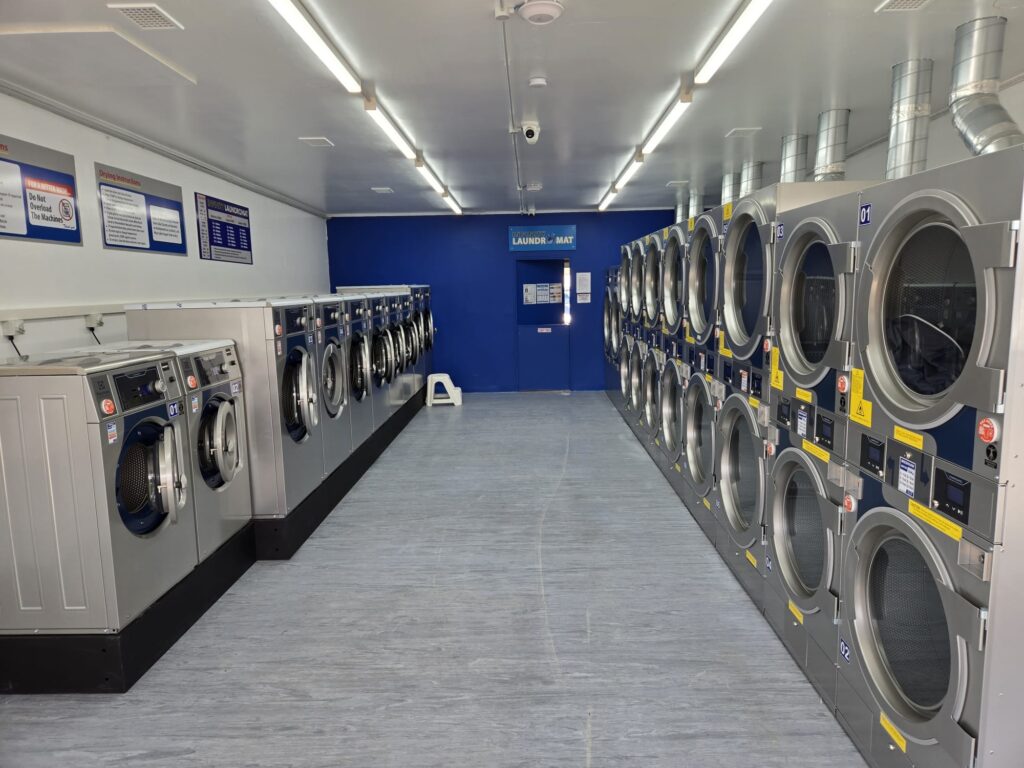
Labour is often the largest ongoing expense in a commercial laundry, yet many labour costs are created by the physical layout of the room. Staff movement, equipment positioning and process design can add minutes to every load, creating significant productivity losses over time.
Check these pressure points first:
- Staff walking distance between sorting, washing, drying and folding.
- Dryer capacity pairing compared with the actual washer load.
- Separation, dosing and loading practices that increase rewash rates.
- Service access and spare-parts support when a machine requires repair.
Why Machine Lifecycle Changes the True Cost
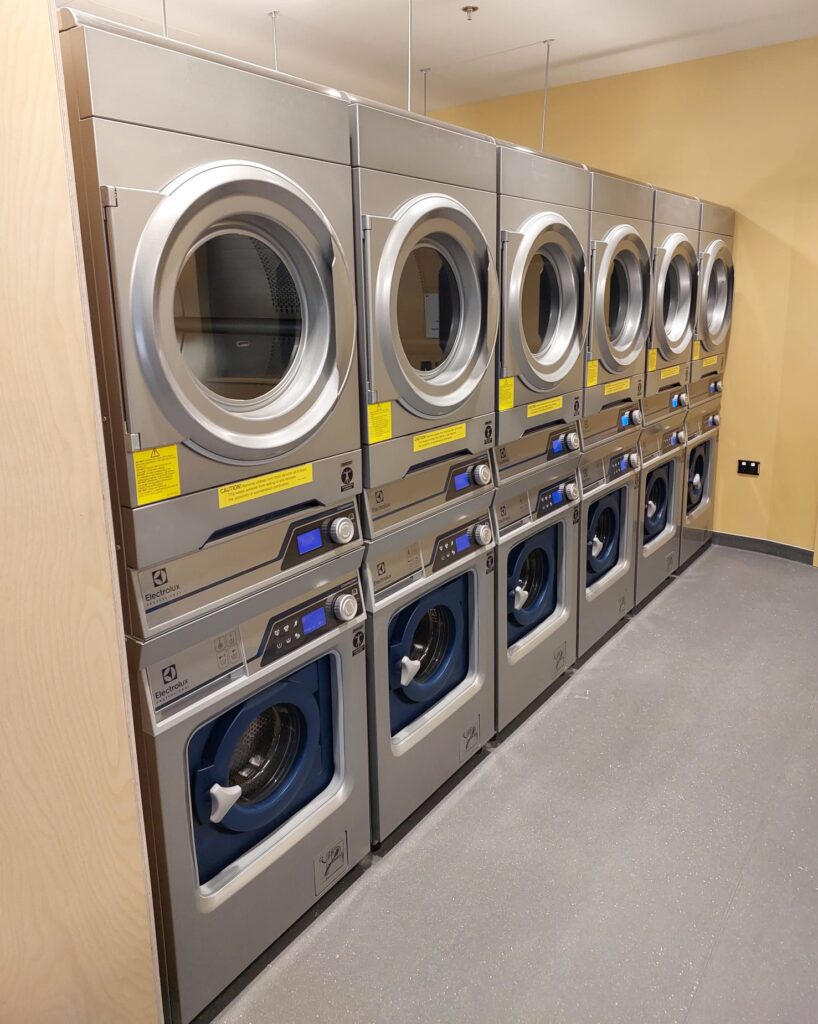
A machine designed for 30,000 cycles carries a different cost profile from equipment designed for lighter use. If you run eight cycles a day, weak components, poor extraction or slow drainage affect the laundry every shift. Better extraction removes more water before drying, so the dryer works on less retained moisture and finishes sooner.
Your commercial laundry setup also depends on parts availability. Econic Laundry Solutions notes that many machines in the field are over 20 years old, supported by spare parts, stocked service vans and accredited service agents across New Zealand.
System Design Can Create Revenue or Waste
Revenue opportunities are often decided during the planning stage rather than after installation. Payment systems, automatic dosing, automation and future expansion capacity all affect the financial performance of the laundry over its operating life. A system designed only around today’s workload may require costly upgrades once volumes increase.
For central laundries, automation matters when folding and finishing take more hands than washing. A towel folder working at around 600 towels per hour changes the labour requirement at the point where volume makes manual folding expensive.
Speak with Econic Laundry Solutions about designing a commercial laundry setup that supports productivity, reduces lifecycle costs and performs efficiently for years to come.
Frequently Asked Questions
1. How do I reduce commercial laundry costs?
Reducing commercial laundry costs means checking labour movement, detergent use, dryer time, rewash rates and service delays rather than only comparing electricity and water bills. Improving workflow and equipment efficiency can significantly lower operating costs over time.
2. What affects a commercial laundry equipment lifecycle?
A commercial laundry equipment lifecycle depends on its designed cycle life, regular maintenance, access to genuine spare parts, correct load management and how intensively the equipment is used each day.
3. Why does commercial laundry planning affect long term costs?
Commercial laundry planning affects long term costs because equipment sizing, laundry layout, automation and servicing decisions remain in place for many years. Good planning helps reduce labour costs, maintenance expenses and production delays.
4. What is the best layout for a commercial laundry?
The best commercial laundry layout creates a logical workflow from sorting to washing, drying, folding and dispatch. Reducing unnecessary staff movement and avoiding bottlenecks improves productivity and lowers labour costs.
5. How often should commercial laundry equipment be serviced?
Most commercial laundry equipment should be serviced according to the manufacturer’s maintenance schedule. Regular preventative maintenance helps reduce breakdowns, extends equipment life and improves operating efficiency.
6. How can automation improve a commercial laundry?
Automation improves a commercial laundry by reducing manual handling, increasing processing speed, improving consistency and lowering labour costs. Automated folding, dosing and payment systems can also improve overall productivity.
7. Why is washer extraction important for energy efficiency?
Higher washer extraction removes more water from linen before drying. This reduces drying time, lowers electricity consumption and increases overall laundry throughput.
8. When should a business upgrade its commercial laundry equipment?
A business should consider upgrading commercial laundry equipment when repairs become frequent, operating costs increase, production demand grows or older machines no longer deliver efficient performance.