When to Upgrade Your Commercial Laundry Equipment
Repeated repairs, increasing downtime and harder-to-source parts can all be signs that your commercial laundry equipment is approaching the point where replacement becomes more cost-effective than ongoing maintenance. While regular servicing plays an important role in extending equipment life and protecting your investment, there comes a stage when breakdowns begin affecting productivity, staff efficiency and operational performance.
This article explores how to identify that tipping point, balance maintenance against replacement costs and make informed equipment decisions that support long-term reliability and profitability.
Repeated breakdowns consume more than the cost of the repair itself. Staff wait for machines to return to service, linen builds up, and production schedules are adjusted around equipment that is unavailable.
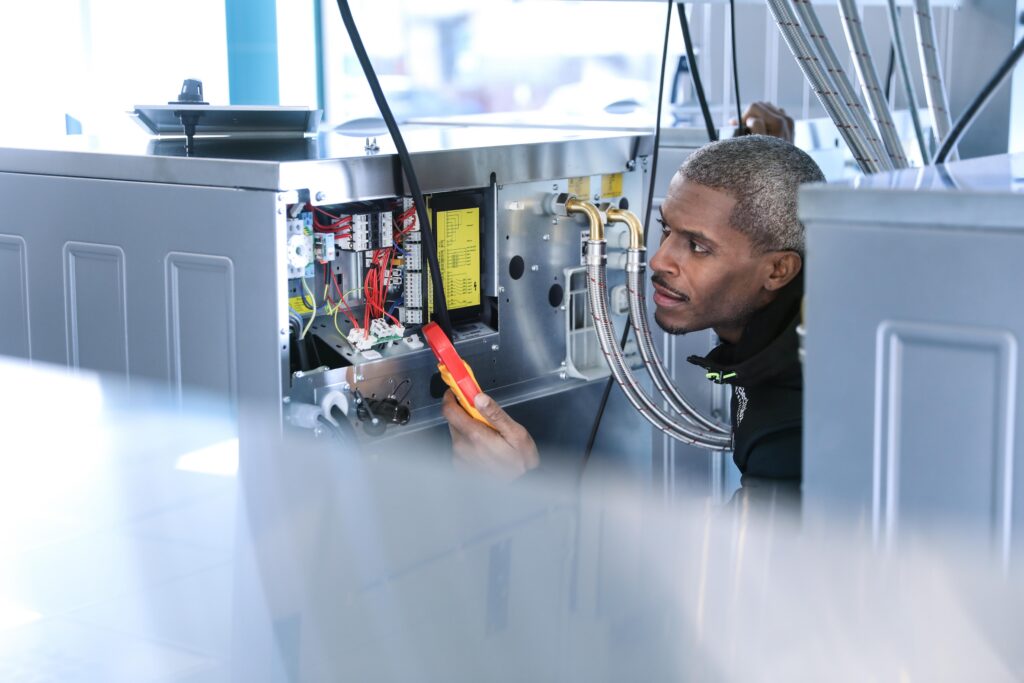
A service visit can restore reliable performance for many years when parts remain available and the machine continues handling its expected workload. WorkSafe New Zealand recommends maintaining machinery so it remains safe for use, which is why maintenance remains an important part of extending equipment life in commercial laundries.
When Repairs Still Make Operational Sense
A planned service can restore performance when wear is predictable and the part is available. Econic Laundry Solutions notes that many machines remain in the field forup to 20 years when service access, spare parts and technical knowledge stay in place. In that situation, maintenance can protect the original investment because the machine still handles its daily workload.
Repairs become harder to justify when the laundry absorbs disruption around regular faults. Staff may have wet linen sitting in trollies for prolonged periods and potentially creating mold risks,, overload equipment due to a drop in production capacity, or delay finishing work while waiting for the repair.
Check these pressure points:
- Wash cycles take longer and slows production, perhaps due to filter blockages.
- Drying times increase without regular servicing due to lint accumulation
- Parts take longer to source.
- Staff change the workflow to work around the machine.
Why Downtime Changes the Replacement Decision
Lost production creates cost even when the repair invoice looks manageable. If one dryer fails during peak use, the washer feeding it still produces wet linen that needs space, handling and drying capacity. That pressure can spread across the room because staff must change the normal sequence to keep work moving.
Older equipment can also carry hidden operating costs. Poor extraction leaves more retained moisture for the dryer to remove and higher energy costs. Weak moisture sensing can overdry linen damaging textiles, while dryers without reversing drums can increase knotting and balling. Econic Laundry Solutions specifies industrial dryers with reversing drums, axial airflow and moisture sensing on relevant models because those features affect drying time, textile handling and energy use.
The Upgrade Point Is Usually Practical
A replacement decision rarely depends on age alone. The stronger test is how the equipment behaves during normal work. If your machine still completes expected loads, parts remain available and servicing restores performance, maintenance may remain the better option.
If repair frequency interrupts production, replacement planning deserves attention. Commercial laundry equipment designed for 30,000 cycles has a different operating profile from lighter commercial equipment designed for 10,000 cycles. Matching machine life to daily turns, chemistry, load type and production targets can prevent another early upgrade cycle.
Brand and Service Access Matter
A machine purchase also carries a service decision. Service support should be part of any replacement decision, not just machine specifications.
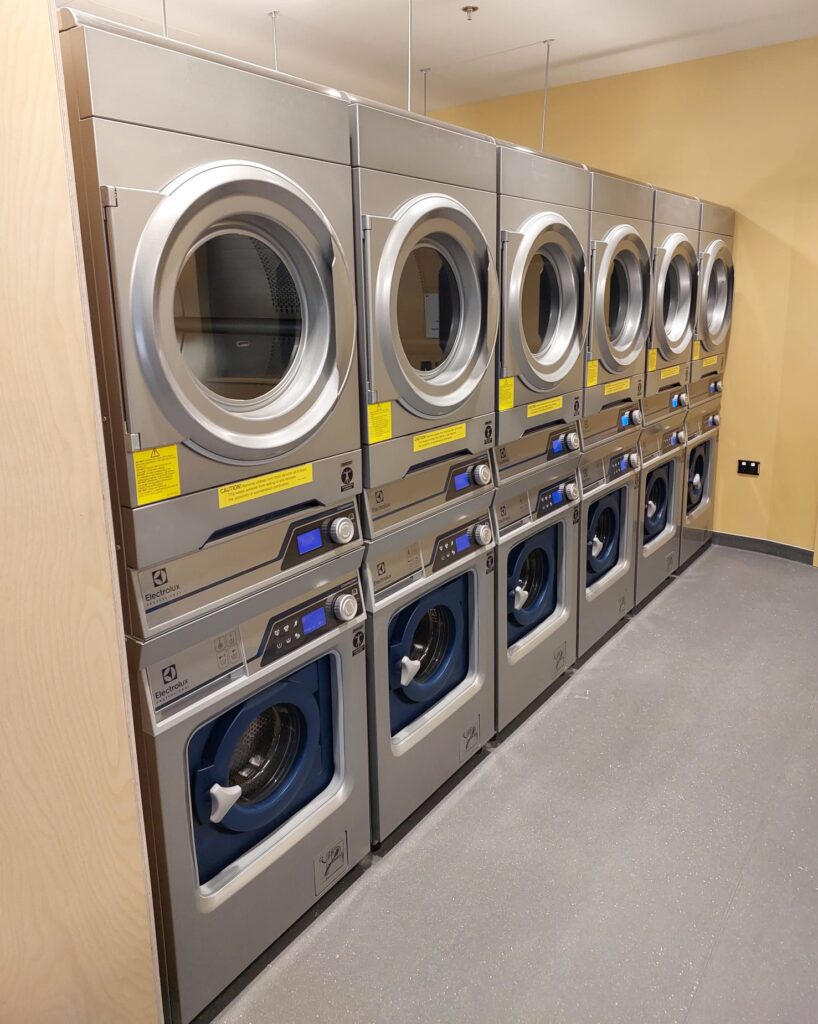
Econic Laundry Solutions imports established brands including Electrolux Professional and LG Commercial Laundry, with equipment options suited to different site demands. Service vans stocked with critical components, spare-parts inventory and accredited service agents across New Zealand and the Pacific Islands reduce the risk of long delays when equipment needs attention.
Not sure whether to repair or replace your commercial laundry equipment? Econic Laundry Solutions can help you evaluate maintenance costs, downtime and lifecycle performance before making your next investment.
Frequently Asked Questions
1. When should I replace commercial laundry equipment?
Replacing commercial laundry equipment makes sense when frequent repairs, unplanned downtime and reduced productivity cost more than investing in new equipment. If maintenance no longer restores reliable performance, replacement is usually the better long term option.
2. How often should commercial laundry machines be serviced?
Commercial laundry machines should generally be serviced every 1,500 operating cycles. Regular servicing helps maintain efficiency, reduces the likelihood of unexpected breakdowns and extends the working life of the equipment.
3. Can maintenance extend the life of laundry equipment?
Yes. Preventative maintenance can significantly extend the lifespan of commercial laundry equipment when parts remain available, faults are repaired promptly and servicing is completed at recommended intervals. Well maintained machines often experience up to 75% fewer breakdowns.
4. How long does commercial laundry equipment usually last?
High quality commercial laundry equipment can last between 15 and 20 years, depending on daily usage, maintenance, operating conditions and the availability of genuine replacement parts. Industrial grade machines designed for higher cycle counts generally offer a longer service life.
5. What are the signs that commercial laundry equipment needs replacing?
Common signs include repeated breakdowns, increasing repair costs, longer wash or drying cycles, excessive energy consumption, difficulty sourcing spare parts, unusual noise or vibration and reduced production capacity. These issues often indicate that replacement should be considered.
6. Is it cheaper to repair or replace commercial laundry equipment?
It depends on the age, condition and repair history of the machine. Occasional repairs are often cost effective, but if ongoing maintenance causes frequent downtime and operational disruption, replacing the equipment may provide better value over its remaining lifecycle.
7. Does new commercial laundry equipment reduce energy costs?
Yes. Modern commercial laundry equipment is designed to use less water, electricity and detergent while improving wash and drying efficiency. Features such as moisture sensing, high extraction speeds and heat pump technology can significantly reduce operating costs.
8. How do I choose the right commercial laundry equipment for my business?
Choose equipment based on your daily laundry volume, available space, utility costs, linen types and future business growth. Working with an experienced commercial laundry specialist ensures the equipment is correctly sized, professionally installed and supported with ongoing servicing.