What to Consider Before Investing in Commercial Laundry Equipment in New Zealand
Investing in commercial laundry equipment is about more than meeting today’s demand. Capacity, lifecycle expectations, service support and future growth all influence long-term operating costs and productivity. Choosing equipment that is too small, poorly paired matched or difficult to service can create inefficiencies that affect performance for years.
This article explores the key considerations when selecting commercial or industrial laundry equipment in New Zealand and how smarter upfront decisions can support long-term operational success.
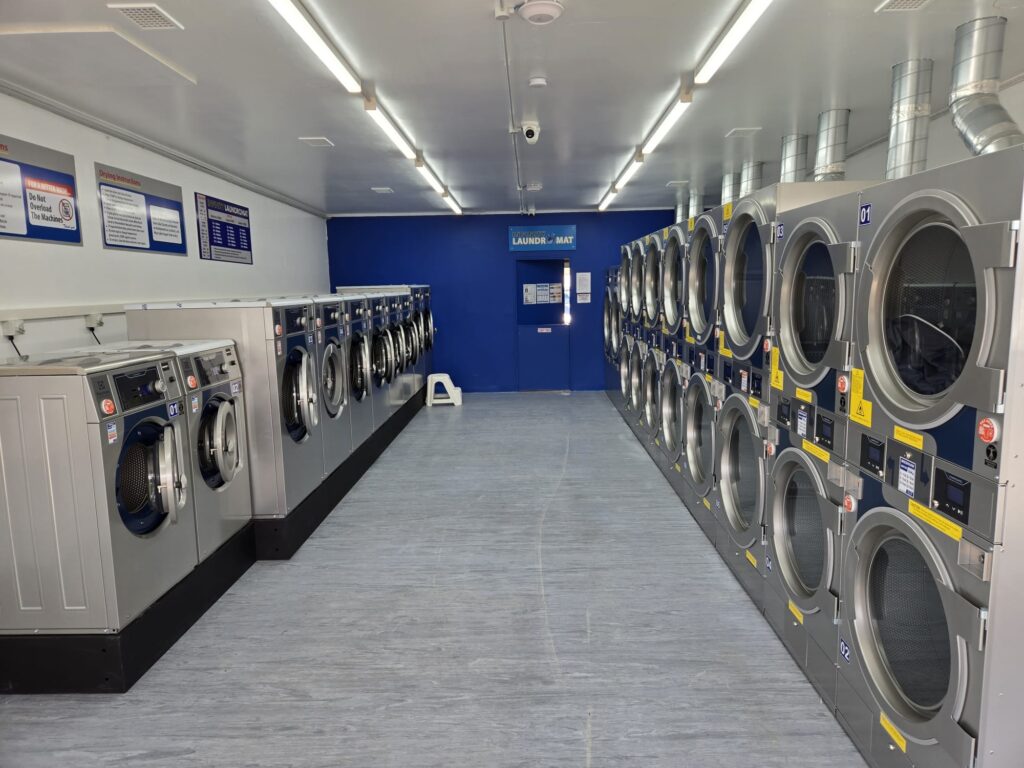
Equipment choice affects every shift once linen, staff and machines are working at the same pace. When you invest in commercial laundry equipment in New Zealand, the decision needs to account for load size, extraction, drying capacity, floor structure and future growth.
WorkSafe New Zealand’s machinery guidance notes that machinery safety should be considered from the design stage, which is relevant when equipment, access and maintenance areas become part of the workplace layout.
Commercial Versus Industrial Laundry Equipment
A compact commercial washer can suit lower-turn sites, shared living facilities or space-sensitive installations. High-turn laundries need stronger more robust equipment because more cycles, heavier aggressive chemistry due to higher soil levels and repeated extractions place more stress on drums, bearings, controls and drainage.
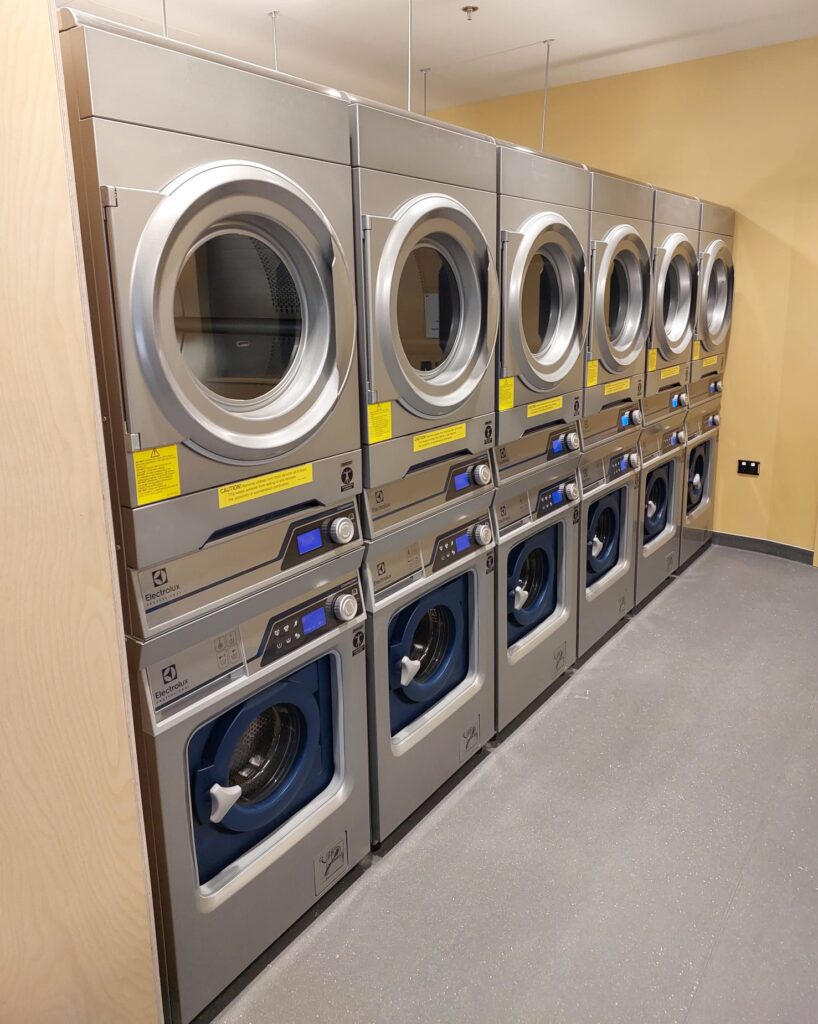
Econic Laundry Solutions works with LG Commercial Laundry and Electrolux Professional equipment. LG commercial washers are designed around 10,000 cycles, while Electrolux industrial washers are designed around 30,000 cycles. That difference matters when one site runs a few turns per day and another expects eight cycles per day for years.
Capacity Decisions That Affect Daily Output
Washer size alone does not tell you how the laundry will run. Dryer volume, retained moisture, drain speed and extraction force determine how quickly each load leaves the system.
Check these points before committing:
- The expected turns per machine per day.
- The available floor strength for hard mount or soft mount washers.
- Dryer volume compared with the actual washer load.
- Service space for future repairs and maintenance.
Lifecycle Support Belongs in the Purchase Decision
A machine failure becomes more expensive when parts are hard to access or the technician needs several visits. Econic Laundry Solutions carries a large spare-parts holding and works with accredited service agents across New Zealand and the Pacific Islands, which matters when your laundry cannot afford extended downtime.
For higher-volume sites, industrial laundry equipment can protect production capacity because stronger higher extraction rates up to 450G with accelerometers reduces drying demand and durable components handle repeated use. Your equipment capacity planning should leave room for heavier loads, extra shifts or expansion rather than forcing an early replacement cycle.
Brand Stability Matters Over the Long Term
A washer or dryer may remain in service for 10 years or longer, which makes the manufacturer behind the equipment an important consideration. Parts availability, software support and technical documentation depend on the strength of the brand supplying the machine.
Econic Laundry Solutions imports Electrolux Professional and LG Commercial Laundry equipment, both established global manufacturers with long operating histories and extensive installed fleets. When equipment remains operational for decades, long-term manufacturer commitment can influence maintenance costs and repair options long after the original purchase decision.
Talk to Econic Laundry Solutions about choosing commercial laundry equipment in New Zealand that supports long-term productivity, serviceability and future growth.
Frequently Asked Questions
1. What is the difference between commercial and industrial laundry equipment?
Commercial laundry equipment is designed for moderate daily use, while industrial laundry equipment is built for higher workloads, longer cycle life and demanding operating environments. Industrial machines typically offer greater durability, higher extraction speeds and larger capacities.
2. How do I choose laundry equipment for a business?
Choose laundry equipment based on your daily laundry volume, available utilities, floor strength, drying capacity, future growth plans and servicing requirements. Matching washers and dryers correctly helps maximise efficiency.
3. What should I ask before buying commercial laundry machines?
Before buying commercial laundry machines, ask about cycle life, spare parts availability, service support, extraction force, drainage requirements, energy efficiency, warranty and compatibility with your business needs.
4. How long does commercial laundry equipment last?
The lifespan depends on the equipment type and usage. Commercial machines may be designed for around 10,000 cycles, while industrial equipment can be engineered for up to 30,000 cycles when properly maintained.
5. Is energy efficient commercial laundry equipment worth the investment?
Yes. Energy efficient commercial laundry equipment can reduce electricity and water consumption, lower operating costs and improve long term return on investment while supporting more sustainable business operations.
6. Why is local servicing important when buying commercial laundry equipment in New Zealand?
Reliable local servicing reduces downtime, provides quicker repairs and ensures easier access to genuine spare parts and qualified technicians throughout the equipment’s lifespan.
7. What size commercial washing machine does my business need?
The right machine size depends on your daily laundry volume, load frequency, available space, staffing levels and expected future growth. Choosing the correct capacity helps avoid production bottlenecks and unnecessary operating costs.
8. Which industries use commercial laundry equipment in New Zealand?
Commercial laundry equipment is widely used by hotels, hospitals, aged care facilities, laundromats, hospitality businesses, sports facilities, shared accommodation providers and commercial laundry operators throughout New Zealand.