Preparing Your Commercial Laundry for Winter Demand in New Zealand
Winter brings increased demand for laundromat services as more customers rely on tumble dryers and larger seasonal loads. Higher dryer usage, longer cycle times and increased machine pressure can expose operational weaknesses that remain hidden during warmer months. This article explores how capacity planning, payment systems, dosing controls and service readiness help laundromats and commercial laundry operators in New Zealand maintain efficiency and profitability throughout winter.
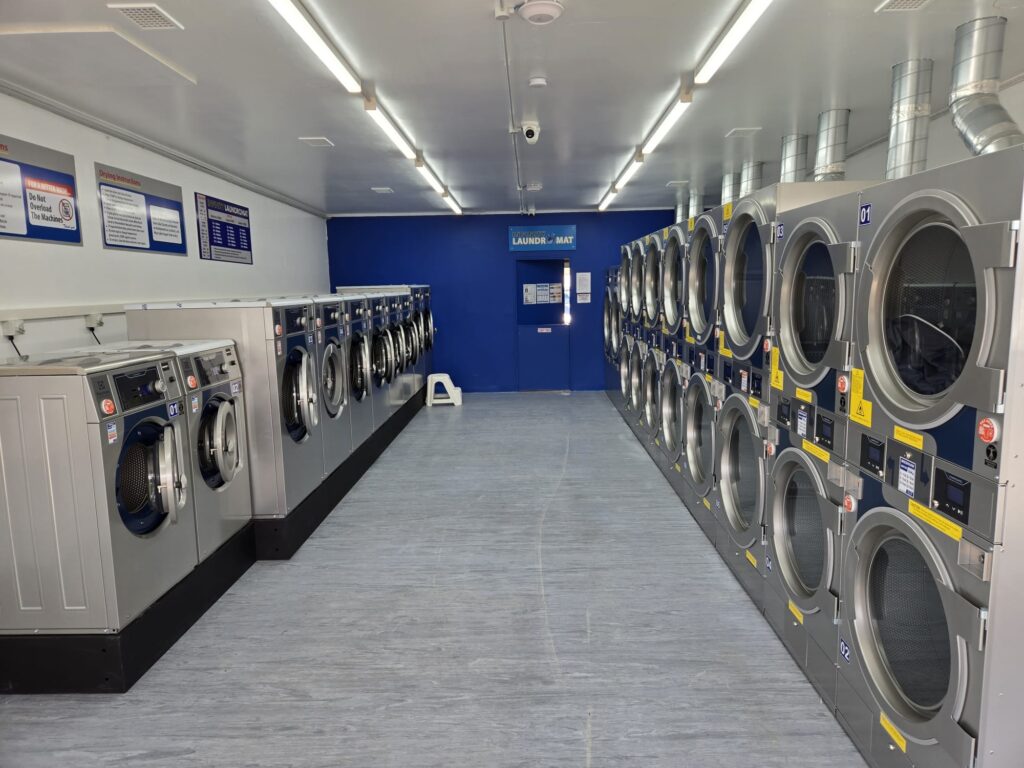
Reduced outdoor drying changes winter trading conditions for a laundromat. Blankets, towels, duvets and everyday clothing that might have dried outside during warmer weather often move into tumble dryers once colder, wetter conditions set in and where store owners see increased revenues.
That extra dryer use affects machine availability, customer waiting time, energy consumption and the number of paid cycles completed each day. Many store owners opt for twice as many dyers to washers, as drying demands due to high rainfall in New Zealand are a huge generator of traffic in stores.
Commercial Laundry Dryer Capacity During Winter
Dryer size matters, but retained moisture after washing has a direct effect on cycle time. A washer with stronger extraction removes more water before the load reaches the dryer, leaving less moisture for heated air to evaporate.
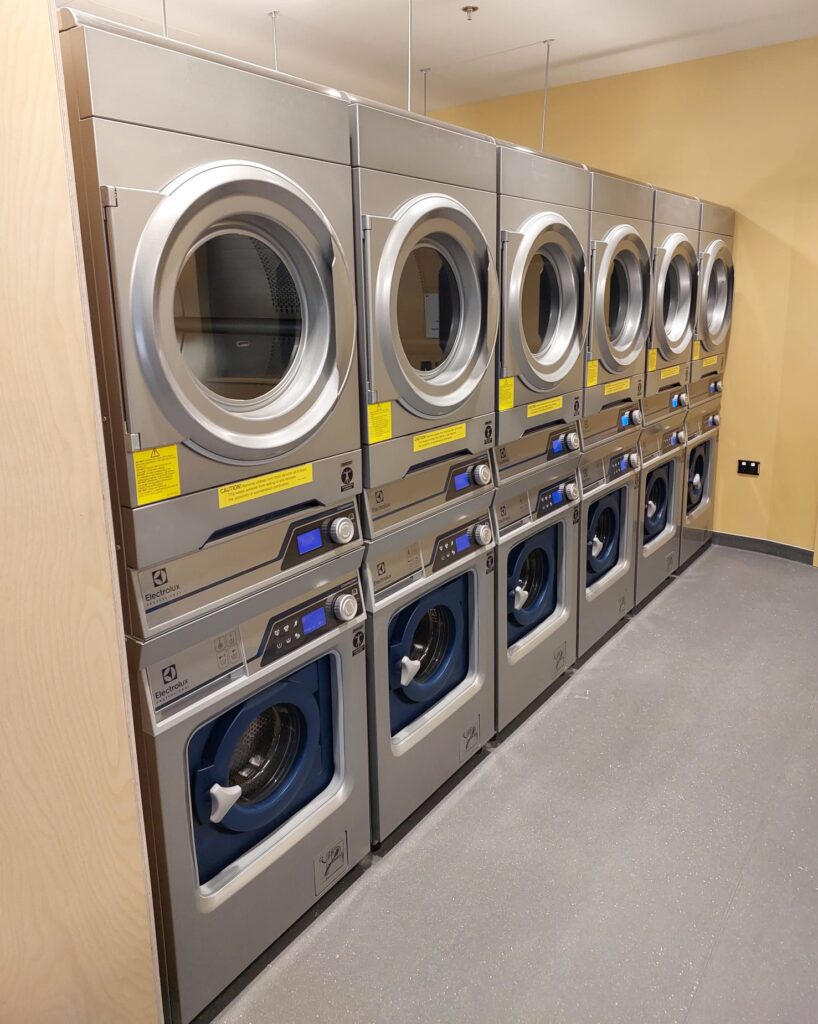
Econic Laundry Solutions (ELS) supplies Electrolux Professional washers designed for 30’000 cycles, with soft mount options that support higher extraction and shorter drying demand. Its commercial dryers include reversing drums, moisture balance and axial airflow, which reduce tangling, measure residual moisture and direct heat through the drum rather than around it.
The practical winter pressure points are:
- Dryer capacity compared with expected customer demand.
- Washer extraction before the drying stage.
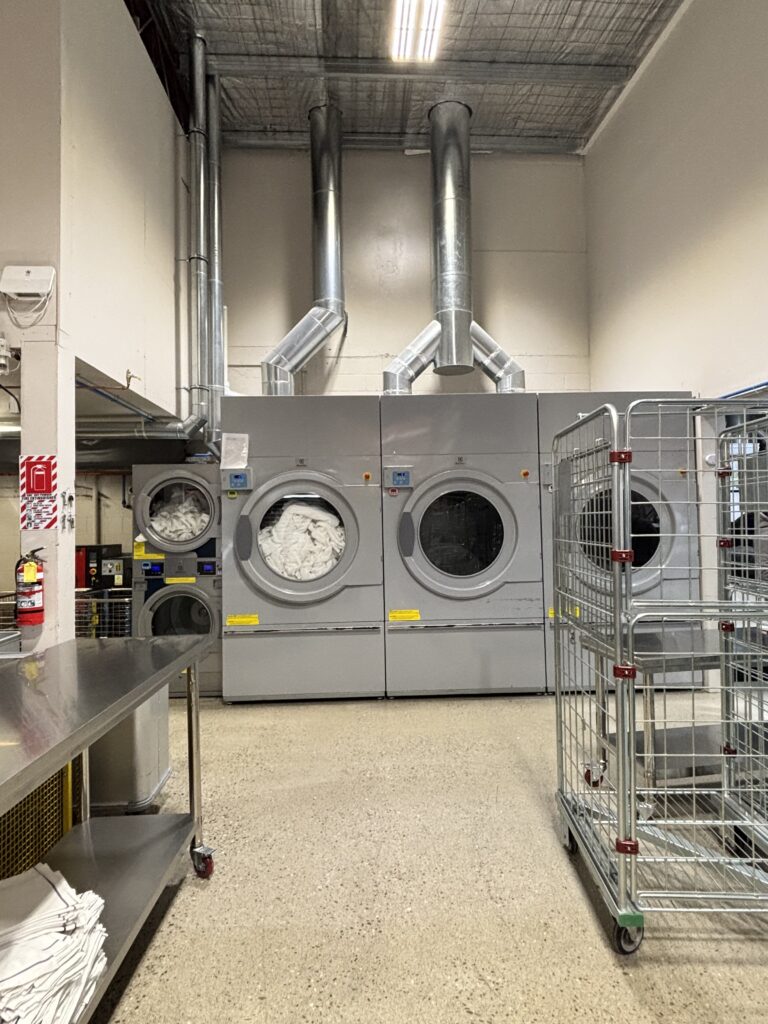
- Airflow, lint control and ducting condition.
- Payment speed during busy trading periods.
- Dosing control when customers wash larger winter loads.
Payment and Dosing Can Affect Winter Revenue
A winter rush can expose weak customer flow as quickly as weak equipment capacity. If customers need coins, wait to check machine availability or return late after cycles finish, dryers can sit occupied while the next customer waits.
ELS supplies payment systems such as Nayax, Tangerpay and Airwallet, with options for cashless payment, machine monitoring, loyalty programmes and cycle notifications. These systems deserve their own future article because payment convenience can influence repeat use during colder months.
Automatic detergent dosing also affects laundromat profitability. Customers washing bulky winter loads may overdose detergent when they want more visible foam, which can increase cleaning, rinsing issues and machine maintenance.
ELS notes that automatic dosing can reduce spillages, over-foaming and product handling while creating an option to include detergent in the vend price. Its example of one additional dollar per cycle over a 30,000-cycle machine life shows why dosing can become a revenue discussion as well as an operational one, leading up to $30’000 in extra revenue per washer.
Service Readiness Protects Paid Machine Time
Machine uptime matters when dryer use is high. A dryer out of service during winter removes earning capacity from the room and increases pressure on the remaining machines. Econic Laundry Solutions carries one of New Zealand’s largest spare parts inventories, uses stocked service vans and works with accredited service agents across New Zealand and the Pacific Islands.
Those service and parts capabilities also deserve fuller treatment in a maintenance-focused article because many laundry operational changes in winter depend on keeping revenue-generating equipment available.
Explore commercial laundry systems, payment technologies and drying solutions from Econic Laundry Solutions designed to help your operation handle winter demand more efficiently.
Frequently Asked Questions
1. How should a commercial laundry prepare for winter demand?
Preparing a commercial laundry for winter demand means checking dryer capacity, washer extraction, airflow, payment speed and service readiness before colder weather sends more loads through tumble dryers. Servicing equipment before winter, including removing lint from dryers and ducting, helps improve throughput, energy efficiency and customer experience.
2. What affects laundromat profitability during winter?
Laundromat profitability during winter depends on machine uptime, dryer cycle duration, payment convenience, detergent control and the number of completed paid cycles each day. Laundry processed in a 200G extraction washer can require up to 50 percent longer drying than laundry from a 450G extraction washer.
3. Which laundry operational changes in winter matter most?
The most important laundry operational changes in winter include reviewing dryer queues, maintaining lint filters and ducting, improving washer extraction, reducing over foaming through automatic dosing and planning upgrades for payment systems and drying capacity.
4. Why do commercial dryers work harder during winter?
Commercial dryers work harder during winter because customers wash heavier items such as blankets, towels and duvets while outdoor drying becomes less practical. This increases dryer demand, extends operating hours and places more pressure on laundry equipment.
5. How can commercial laundry equipment reduce drying times?
Commercial laundry equipment with high speed washer extraction, moisture sensing technology, reversing drums and efficient airflow removes more moisture before drying, helping reduce cycle times, improve energy efficiency and increase daily throughput.
6. How often should commercial laundry equipment be serviced before winter?
Commercial laundry equipment should be professionally serviced before winter begins. Preventative maintenance should include checking dryers, cleaning lint filters and ducting, inspecting washer performance and replacing worn components to minimise unexpected downtime during peak demand.
7. What are the benefits of automatic detergent dosing in a commercial laundry?
Automatic detergent dosing improves wash consistency, reduces detergent waste, prevents over foaming, lowers maintenance requirements and allows operators to include detergent costs within the wash price, improving operational efficiency and revenue.
8. Why is preventative maintenance important for commercial laundries in New Zealand?
Preventative maintenance helps commercial laundries in New Zealand maximise machine uptime, improve drying efficiency, reduce repair costs and ensure reliable operation during busy winter periods when equipment demand is at its highest.
References
https://elsnz.co.nz/products/dryers/
https://energysavingtrust.org.uk/top-five-energy-consuming-home-appliances/